
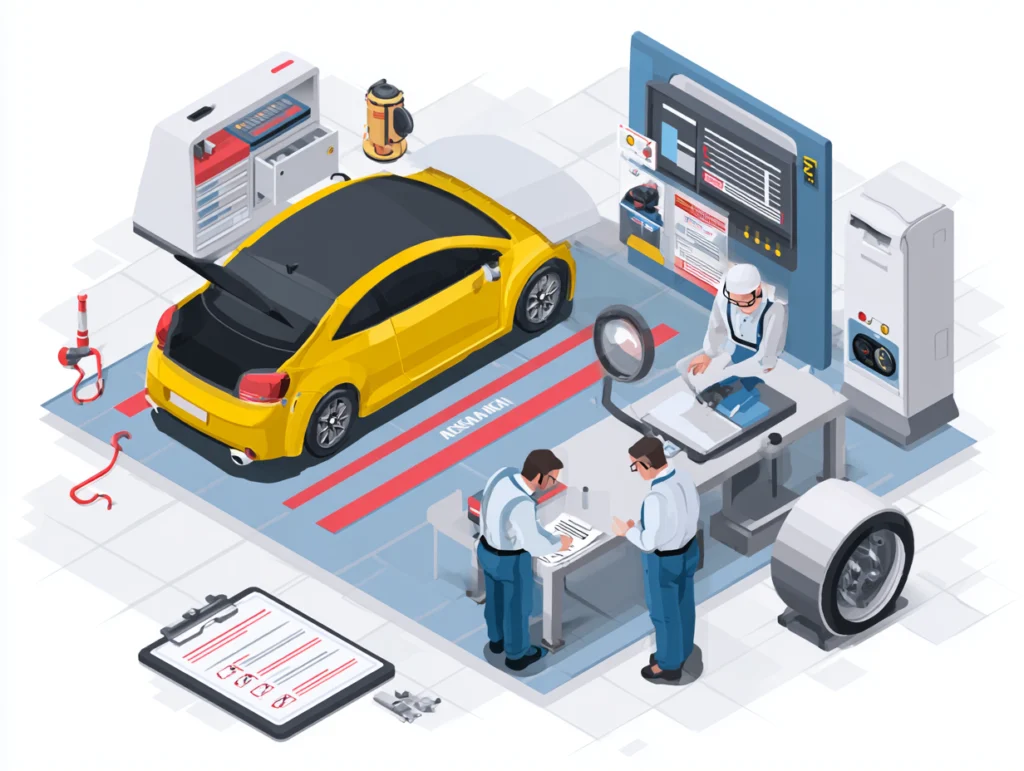
Mandatory State Diagnostics Every Two Years
South Korea enforces a rigorous system of state technical inspection. Vehicles older than four years must undergo a mandatory inspection every two years, while younger vehicles are inspected once a year. The service stations check the braking system, engine, transmission, suspension, exhaust emissions, and electronics. A car that fails the inspection cannot be sold and is legally barred from operating on public roads. Therefore, a seller physically cannot offer a malfunctioning car, and the buyer receives a detailed report confirming the technical condition of the used Korean car.
However-and this is important to understand-this refers to the regulatory condition at the time of the last inspection. The condition of a specific car must be checked additionally. More on this below.
The Culture of Replacing Cars Every 2-3 Years
A high standard of living and social status have shaped a specific consumer culture in South Korea. On average, Koreans replace their cars every 2-3 years, so most vehicles on the secondary market are no older than 5-6 years with a real mileage of 40,000-80,000 km. Since the seller expects to sell the car quickly, they maintain it in ideal condition: Korean online platforms like Encar publish an official report on the body condition and accident history directly in the listing.
Factory LPG: What Is the Fundamental Difference?
One of the most frequent questions regarding Korean cars is the topic of gas equipment. Factory LPG in Korea is mass-produced and installed directly on the assembly lines of major manufacturers-Hyundai, Kia, and SsangYong-with a corresponding entry in the vehicle registration certificate. The gas equipment ensures stable engine starts in any weather, zero power loss, and a significantly longer service life compared to universal 4th-generation aftermarket systems. It is precisely due to this factory reliability that Korean gas-powered cars have become the benchmark of cost-efficiency for daily commutes and commercial use.
Fundamental differences between factory LPG and aftermarket systems:
- The injectors, reducer, and tank are adapted to a specific engine right from the factory;
- The software manages the distribution of gas and gasoline jointly;
- The manufacturer’s warranty covers the entire system;
- The cost of technical maintenance is lower, and spare parts are standard.
Note: It is crucial to consider that when importing a car with LPG equipment into Ukraine, the gas valves are subject to mandatory replacement to match Ukrainian standards; otherwise, service stations simply will not service the system. This is a separate expense item that needs to be budgeted for in advance.
Climate and Roads: A Hidden Source of Advantage
South Korea is a country with a temperate climate. Winters here are milder, and significantly fewer road reagents are used compared to Ukraine or Central European countries. This directly affects the condition of the body, wheel arches, and suspension-corrosion develops much slower. Furthermore, an excellent road surface reliably protects the suspension and transmission from excessive loads.
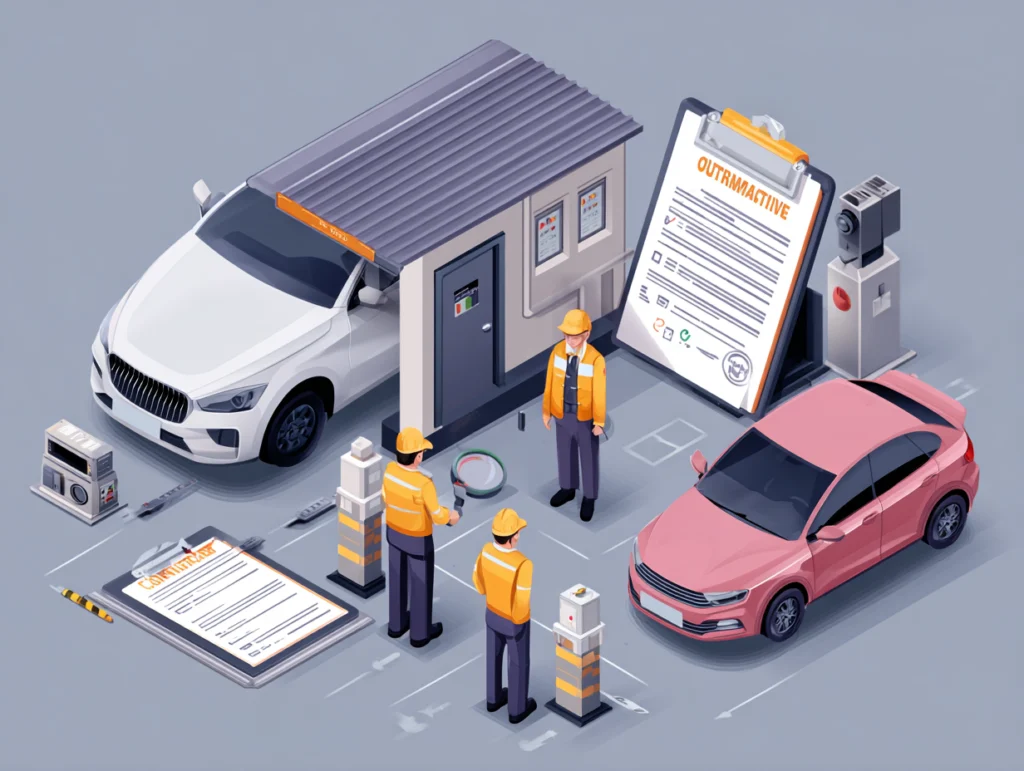
What to Check When Buying a Korean Car
Despite the systemic advantages of the market, a pre-purchase car inspection remains mandatory. Here is what you should check during the inspection:
- Request a vehicle condition report from the Korean state registry-it contains data on accidents, ownership changes, and mileage;
- Verify that the actual mileage matches the service log data; remember that in Korea, mileage is recorded in kilometers, not miles-unlike American cars;
- Inspect the body for signs of amateur repairs or repainting;
- For gas-powered cars, ensure there is an LPG record in the original registration document;
- If possible, order an independent diagnostic check through a partner in Korea-OBD diagnostics combined with a visual inspection provides a complete picture of the car’s condition.
Naviline works with partners in South Korea who conduct pre-purchase car inspections. Clients receive a comprehensive report featuring photo and video materials regarding the technical condition of the lot. You can obtain a consultation from Naviline specialists by leaving a request on our website.