

Right-hand drive vehicles: Ban or Reality?
Right-hand drive vehicles are not officially prohibited in Ukraine by law. However, there are significant pitfalls.
Certifying such vehicles in Ukraine is far from straightforward. Technical regulations require compliance with safety standards, and right-hand drive vehicles fall into a gray area. Some certification laboratories simply refuse to issue a certificate of conformity without additional inspections. Therefore, the so-called “right-hand drive ban in Ukraine” is not a legislative restriction but rather a de facto barrier at the certification level.
Choosing a left-hand drive vehicle is the safest option to avoid certification and registration issues in Ukraine.
Vehicles listed as stolen or with outstanding loans: How to avoid buying someone else’s problems
This is one of the most expensive mistakes a buyer can make. Although the Korean automotive market is generally transparent, some individuals still manage to bypass the system. Searches related to “importing stolen vehicles into Ukraine” unfortunately reflect a real issue in today’s automotive market, and we personally encounter several such cases every year.
For example, a 2019 Mitsubishi appears on Encar at an attractive price, with photos showing no visible defects. The client pays for the vehicle. The car arrives at the Port of Odesa, where it is discovered that it is listed in the Interpol database.

Which databases should be checked and how Naviline does it
Before any payment is made, we verify the VIN through:
• Carfax and AutoCheck – for vehicles that have passed through American auctions;
• Korean databases (HiCar, CarHistory) – for vehicles sold within the domestic Korean market;
• Interpol and court registries – to verify legal status and ensure there are no encumbrances;
• OBD diagnostics – to assess the actual condition of the vehicle before purchase (if a local representative is available).
The client receives the inspection results before confirming the transaction.
Our responsibility is clearly defined in the contract-it is not just a promise.
Technical reasons for refusal: Year, Condition, and Euro standard
In practice, there are effective restrictions on importing certain categories of vehicles from Korea due to technical requirements. The issue goes far beyond whether the vehicle has been involved in an accident.

Vehicles older than 2010: Certification Challenges
Formally, Ukraine does not impose age restrictions on imported vehicles. However, cars from Korea that are unlikely to pass certification are primarily those manufactured before 2010 and compliant only with Euro 3 standards or lower.
Obtaining a Certificate of Conformity (CoC) for such vehicles is possible, but additional laboratory testing is usually required. Our recommendation is to choose vehicles manufactured in 2014–2015 or later. This means fewer risks, lower costs, and a smoother certification process.
LPG vehicles: Mandatory Replacement of Gas Valves
Korea is one of the largest LPG vehicle markets in the world. Hyundai Sonata, Kia K5, and Kia Carnival models equipped with LPG systems are a common sight on Encar.
However, gas valves must undergo inspection and, in most cases, replacement to comply with Ukrainian standards. Otherwise, no authorized service center will maintain the vehicle, and certification will not be granted. Many buyers are unaware of this requirement until after the purchase.
What customs authorities check when importing a vehicle from Korea
Importing a vehicle from Korea in 2026 follows a standard procedure, although several requirements have changed since 2022.
The Ukrainian customs system actually checks the following:
• VIN code – verification against theft and encumbrance databases;
• Bill of Lading – confirmation that the vehicle matches the declared information;
• Year of manufacture and engine displacement – used to calculate excise duty and VAT;
• Compliance with Euro standards – required for certification after customs clearance;
• Customs value – often the most important factor.
Customs authorities do not always accept the declared purchase price. If similar vehicles in their database are valued higher, the customs value may be adjusted upward, resulting in additional charges.
For this reason, NAVILINE always calculates the expected customs valuation range for a specific vehicle before the transaction is completed.
Import restrictions on vehicles from Korea to Ukraine are not limited to a single prohibition. They represent a comprehensive system of technical, documentary, and customs requirements. Any one of these filters can stop the import process at any stage.
FAQ – Frequently Asked Questions
Is there a direct ban on importing vehicles from Korea to Ukraine?
No. There is no direct legal prohibition. However, technical certification requirements, customs regulations, and restrictions affecting certain categories of vehicles do exist (right-hand drive vehicles face de facto certification barriers, while Euro 3 and lower vehicles require a more complicated approval process).
How can a vehicle be checked before purchase?
VIN verification should be conducted through Carfax, Korean databases such as HiCar and CarHistory, and Interpol databases.
We perform a comprehensive inspection before the transaction is confirmed, allowing the client to review all results before transferring funds.
Can an LPG vehicle be imported from Korea?
Yes, but the gas valves must be replaced to comply with Ukrainian standards. Without this modification, certification cannot be obtained.
How much does vehicle certification cost after import?
The cost depends on the year of manufacture, vehicle type, and Euro emissions standard.
Vehicles manufactured after 2015 and compliant with Euro 5 or Euro 6 standards generally undergo a standard certification procedure.
Vehicles manufactured before 2010 usually require additional testing, resulting in higher certification costs.
We calculate the exact cost individually for each vehicle.
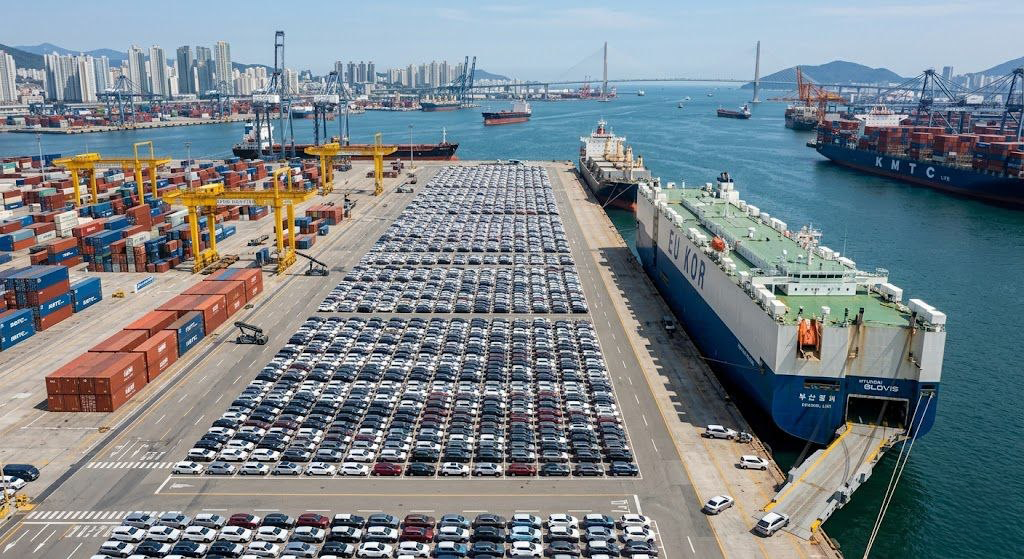
Where can i track my vehicle during delivery?
At naviline.net/treking, where the status is updated at every stage of transportation: departure port, sea transit, Odesa arrival, customs clearance, and certification. If you have additional questions, you can contact NAVILINE for a consultation. Our specialists will help you understand all technical and legal aspects of importing a vehicle from Korea.