

Difficulties in Checking Vehicles of Chinese Origin
In Western systems, a vehicle’s history can be easily tracked using a VIN code. The Chinese system uses its own coding standards that do not comply with international norms. China does not have a centralized vehicle database; information is fragmented and available only in local records that are inaccessible to foreign citizens. In addition, cars are widely used in car-sharing services and taxi fleets, often being sold with a displayed mileage of 50,000 km instead of the actual 200,000 km.
Services for Checking Chinese Vehicles
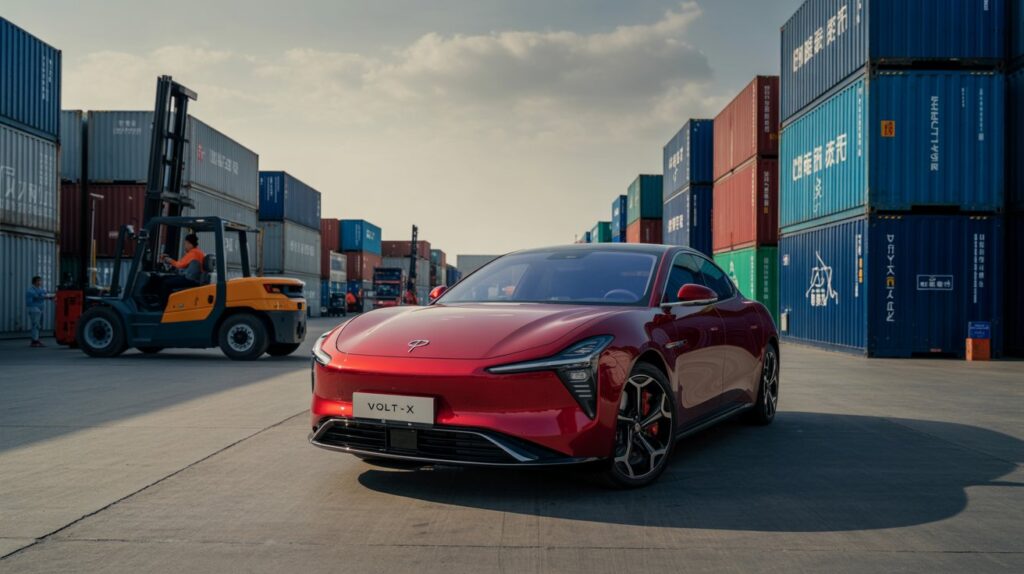
Specialized services such as ClearVin or CarVertical allow decoding Chinese VIN codes and obtaining partial information about technical specifications, damage history, records of restrictions, and odometer readings. Additional information can be obtained from resources such as chinavehiclehistory, which provides data on original equipment specifications and production details.
If the vehicle was serviced within an official dealer network, VIN-based information can also be obtained from dealers in Ukraine.
How to Determine the Real Mileage of a Chinese Car?
To gain a more complete understanding of vehicle wear and hidden defects, a physical inspection is essential. Odometer rollback is widespread in China, so displayed mileage often does not reflect actual usage. The following criteria help assess the real condition of a vehicle:
- analysis of pedal assembly wear. The durability of rubber pedal pads is designed for a specific mileage, so if the pedals have not been replaced, this indicator can be relied upon;
- steering wheel condition. Scuffs, cracks, and peeling indicate intensive use;
- driver’s seat condition. After 100,000 – 120,000 km, the polyurethane foam side bolsters lose elasticity;
- BMS (Battery Management System) analysis. Battery charge cycle data is recorded in the management system. Knowing battery capacity and consumed energy allows calculation of real mileage;
- extraction of mileage data from protected memory sectors. Multi-brand scanners can detect discrepancies with odometer readings;
- brake disc condition. Measurement with a micrometer and comparison with factory specifications show the degree of wear;
- ECU (Engine Control Unit) log reading. Engine hour data stored in control units helps compare actual usage with odometer values.
How to Check a Chinese Car Before Buying?
Only a comprehensive inspection approach – combining documented information analysis with a physical inspection by an independent expert specializing in Chinese vehicles – can ensure the purchase of a car without hidden issues. Conducting such an inspection independently is difficult due to cultural and operational specifics in China.
An alternative solution is to seek assistance from qualified professionals. NAVILINE provides professional support at every stage of purchasing a car in China: from vehicle selection and auction purchases to registration in Ukraine.
Please note: NAVILINE does not buy vehicles on behalf of clients but provides consultation, delivery, and logistics services.