
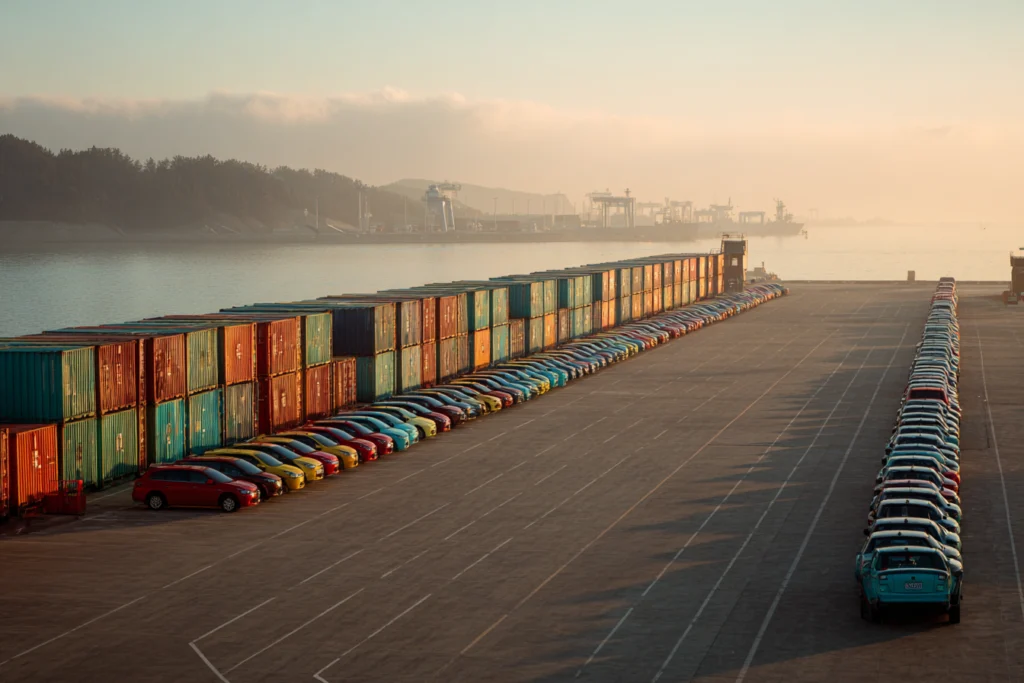
How containers are descharged
After the vessel arrives at the port in Odesa, the container enters the terminal area. Then the standard procedure begins: data recording, document verification and container inspection. If the cargo requires customs control, employees unseal it under the supervision of customs representatives.
Descharging containers in Odesa after their arrival by sea has its own characteristics. They are usually transported in 40-foot containers. Special fasteners are provided for each car to prevent damage during transportation. After opening the container, the cars are carefully pulled out using equipment and special ramps, or taken out on their own – depending on their technical condition. Then they undergo photo recording of the condition, initial inspection and preparation for customs clearance. This specificity of container descharging in Odessa allows cars to be delivered in different conditions.
Why Odesa Port
Odesa is one of the key ports of Ukraine and one of the largest in the country, through which the lion’s share of imports passes. There are several terminals here, which allows us to receive vessels from different countries of the world. The developed port infrastructure and experienced specialists ensure the rapid execution of operations and reduce the risks of downtime. That is why descharging sea containers in Odesa is of strategic importance for the delivery of cars from abroad.
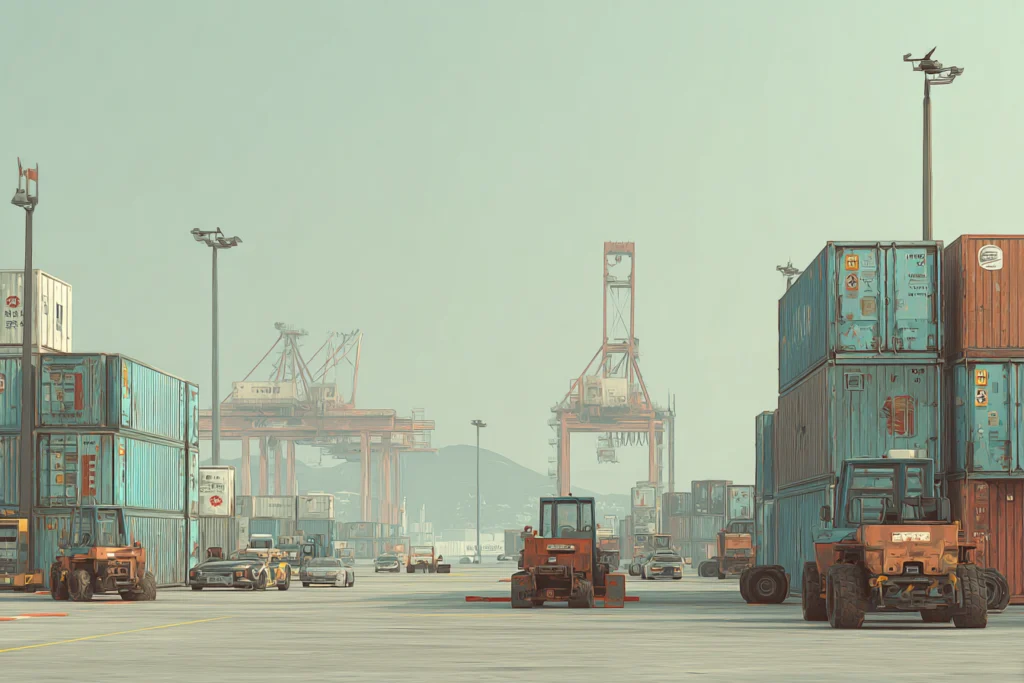
In addition, this regional center is close to major transport hubs. After descharging, the goods can be promptly delivered to any part of the country by road or rail. This is especially important for businesses that import cars for further sale. Also, this delivery option is relevant for anyone who does not want to wait long for their vehicle.
Types of container unloading
How containers are descharged in Odesa may depend on the type of cargo. This process can be carried out in several ways:
- direct – when the goods are immediately transferred to transport for further transportation;
- to the warehouse – the container is descharged to the territory of the terminal or warehouse for temporary storage;
- combined – part of the cargo is immediately sent further, the rest remains in storage.
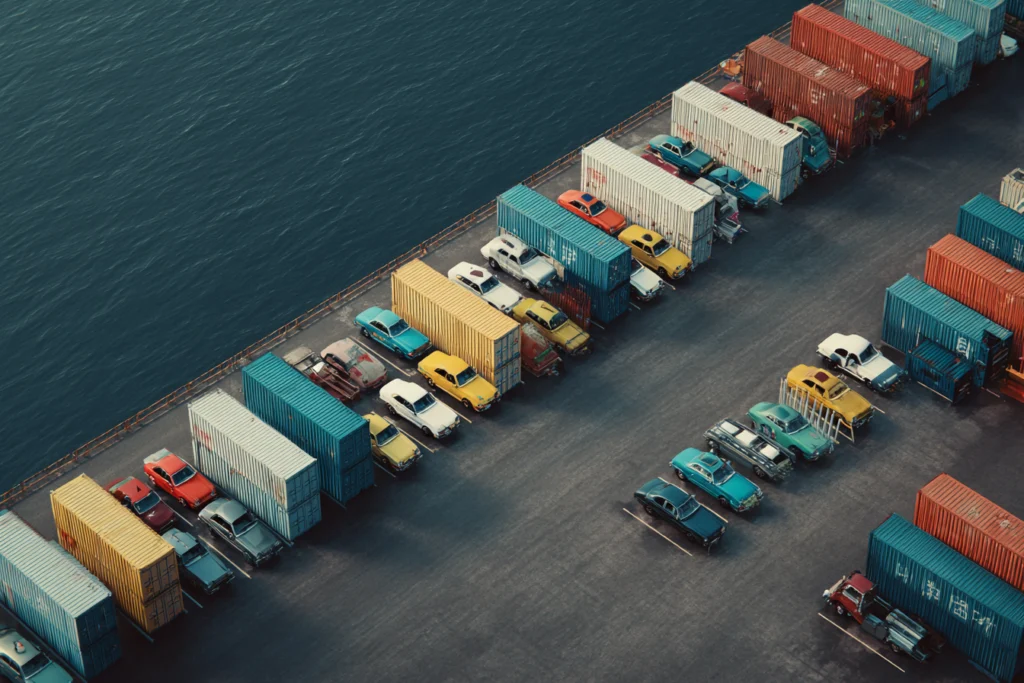
In most cases, the first option is used, but for individual cargo batches, descharging to a warehouse is also used. This specificity of descharging sea containers in Odesa allows you to minimize the risks of damage and reduce logistics times.
How it all happens
After the physical descharging of the container is completed, the stage of documentary support begins. This is customs clearance, certification, registration of transport documents and transfer of the car or goods to the owner.
For entrepreneurs involved in the sale of cars, it is important that all these processes take place without delay. Therefore, most turn to companies that have experience in the field of international transportation and their own warehouse facilities. Container descharging services in Odesa are offered by NAVILINE. The company has its own terminal, which allows it to work without intermediaries. Every week, from 10 to 15 containers arrive for descharging. And the whole process is carried out as quickly as possible. However, there are several factors that can affect the speed, both in the Naviline company and in general:
- the number of ships arriving at the port at the same time;
- weather conditions;
- speed of customs clearance.

On average, the entire procedure – from the arrival of the vessel to the transfer of the cargo to the owner – takes from several days to a week.
For business owners or private customers, fast descharging of containers means the opportunity to receive a car or other goods without unnecessary downtime. A well-organized process in the port of Odesa allows you to reduce storage costs, avoid cargo damage and ensure transparency of all stages of logistics – from the arrival of the vessel to delivery to the client. That is why it is so important to contact reliable companies.